
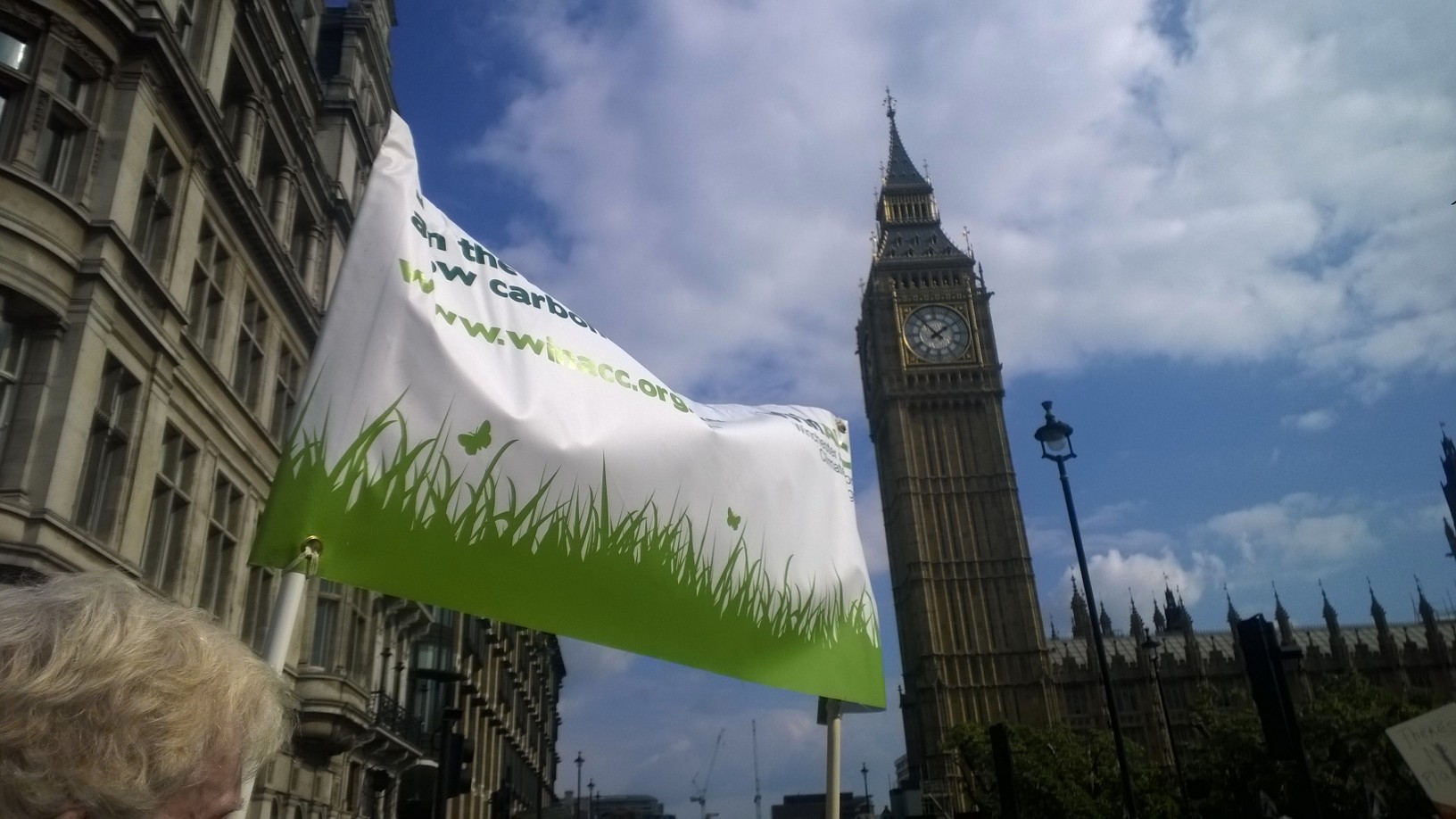
WinACC news release on the IPCC report Climate Change 2022: Mitigation of Climate Change published on 4 April warns that humanity is in danger of slipping into a climate catastrophe.
The new United Nations report sets out the stark choices we face. Globally, emissions are still rising. Human beings are still pouring dangerous greenhouse gases into the air and heating up the planet.
António Guterres, Secretary-General of the UN, said. “Together with the IPCC’s previous two reports on physical science and adaptation in the past year, it reveals the yawning gap between climate pledges and reality. And the reality is that we are speeding toward disastrous global warming of more than double the limit of 1.5 degrees Celsius by 2100, as cited in the Paris agreement of 2016.”
The report gives us a clear message. Without immediate and dramatic action, the planet will heat up by more than 3 degrees with dire consequences: flooding, wildfires, crop failures, water shortages, fatal levels of pollution, loss of nature, threats to national security, and we will see more people fleeing homes made uninhabitable by global heating or conflict.
To avoid catastrophic heating global emissions must peak by 2025 and be halved by 2030 to achieve net zero by 2050.
The UK government started well. We were one of the first countries to declare a climate emergency, and we have stopped burning coal to create our electricity.
But the new UK Energy Strategy published on 7 April is far from enough, says WinACC.
They argue that fracking and new drilling for oil will only make things worse. As António Guterres said, “It is time to stop burning our planet and start investing in the abundant renewable energy all around us”. WinACC hopes the UK will concentrate on producing more electricity in renewable ways, including wind power.
WinACC Trustee Danny Lee said, “I hope we can all take the necessary steps to ward off the climate calamity.
“We have to reduce our reliance on gas and oil, not find new ways to take more of it out of the ground.
“The UK needs programme to insulate our homes like those in in Italy or the Netherlands. New ideas such as free public transport, something that happens in other places, can replace building new roads and even bigger airports.”
So what does this mean for us locally? Increasing renewable electricity generated in Winchester District by least six times. Cutting down on fuel used in our transport, by giving more support to walking, cycling and public transport. This is why responding to the HCC consultation on the Local Transport Plan 4 is so important.
The County Council and the City Council both need to update their climate action plans to reflect the latest urgent warning from the United Nations, and the City Council needs to strengthen their Biodiversity Action Plan.
Individually, there are many options. For example, people can stop flying – or at least, take no more than one flight a year. They can drive less; drive a smaller car; drive an electric car, or walk cycle or use public transport. They can make their homes more comfortable by increasing their insulation, triple-glazing, putting solar panels on the roof and replacing their gas boiler or oil-fired heating with a heat pump. They can eat locally grown, seasonal food with more meals based on plants instead of meat. Buy less is important – people can think carefully before they buy.
Businesses, too, can play a vital part, by looking at their emissions and how to reduce them quickly, where and how they source and supply their products or services.
Most important of all, according to WinACC, voters should keep reminding their elected representatives about the crisis and the need for urgent action. Nationally and locally, politicians need to understand that there are votes in climate action. Politicians are slipping behind public opinion.
Find out more
See this 16 page summary of the report, written by WinACC.
The IPCC Climate Change 2022: Mitigation of Climate Change report published on 4 April 2022 provides “an updated global assessment of climate change mitigation progress and pledges, and examines the sources of global emissions. It explains developments in emission reduction and mitigation efforts, assessing the impact of national climate pledges in relation to long-term emissions goals.”
The IPCC website says ” Without immediate and deep emissions reductions across all sectors, limiting global warming to 1.5°C (2.7°F) is beyond reach. In the scenarios assessed, limiting warming to around 1.5°C requires global greenhouse gas emissions to peak before 2025 at the latest, and be reduced by 43% by 2030; at the same time, methane would also need to be reduced by about a third.”
See the IPCC news release.