
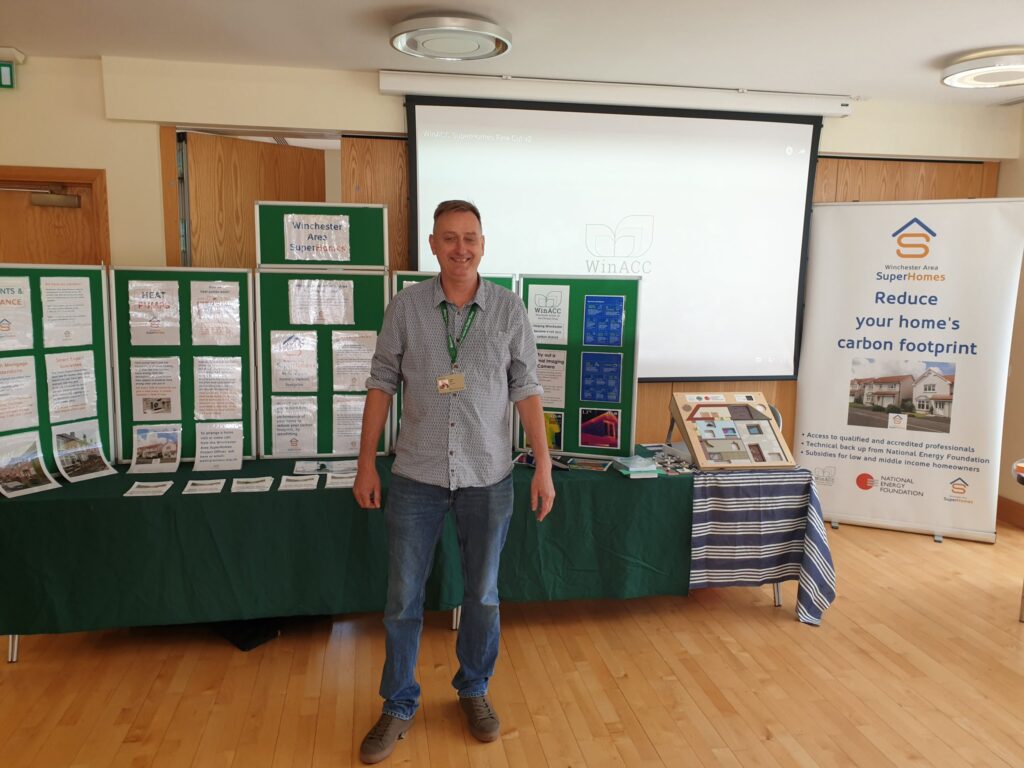
Stuart Mills, Retrofit Advisor with My Home Made Better, talks about how to save energy at home and why it’s important.
Why should we try to save energy at home?
Saving energy reduces greenhouse gas emissions. These are harmful, polluting gases – like carbon dioxide and methane – that are the main cause of climate change.
And saving energy can also save us money on bills!
Why are our homes a good place to start?
Firstly, emissions from our homes are something we can influence. Emissions from areas such as transport are harder to control as they’re produced through complex systems. But we all have some influence over how our homes use energy. Either directly, if we’re homeowners, or via our landlord if we’re renting.
Secondly, homes are a big source of emissions in the UK. Around 20% of greenhouse gas emissions come from energy use in the home.
Can you suggest ways people can save energy at home without spending any money?
If you have a modern, condensing combi boiler (without a separate hot water tank), make sure it’s running efficiently.
The ‘flow temperature’ should be set at around 60 degrees. Most heating engineers set it much higher. This can be a waste of energy and money, as it could prevent your boiler from running in condensing mode. You can find clear instructions on how to set the flow temperature at Money Saving Boiler Challenge. This could save you around 8-9% on your bills.
(If your boiler has a water tank, this advice doesn’t apply. The water must be above 65 degrees to prevent the growth of Legionnaires’ bacteria.)
There are lots of other things you can do that don’t cost anything. For example, drying your washing outside whenever possible. I’m a bit obsessive about this – often rushing outside to get the clothes dry between showers! You can find lots more free energy saving tips on our blog.
What about low-cost things people can do?
I’d suggest replacing all your old light bulbs with LED bulbs. These cost about £5. If you still have halogen or incandescent bulbs, it’s worth replacing them straight away. LED bulbs use about a fifth of the energy, so they’ll save you money.
Draught-proofing your doors is a quick, cheap way to reduce heat loss and save energy. Look around for other sources of draughts, such as loft hatches and chimneys. Check pipes and cables that go through external walls. There might be gaps around them.
Then think about insulation. The two cheapest forms are loft insulation and cavity wall insulation. At this point, I’d recommend contacting My Home Made Better. We can arrange a call to advise you on how to do this properly. For example, it’s important to have the right ventilation so you don’t end up with condensation and mould.
Are there still grants available for insulation?
There are some grants available if you’re on a low income. I’d recommend contacting our partners at the Environment Centre for information on this.
What do people need to consider if they’re looking at bigger investments like heat pumps and solar panels?
They’re quite different technologies. Heat pumps produce low-carbon heat. Solar panels produce low-carbon electricity.
A fossil fuel boiler is the biggest source of greenhouse gas emissions in your home. So, installing a heat pump has a massive impact on reducing your emissions. But at the moment, heat pumps don’t save much money. This is because electricity is more expensive than gas. As electricity generation is decarbonised, the price of electricity should come down.
Solar panels are the silver lining on the cloud of high electricity prices. They should pay for themselves within seven to nine years. After that, you’ll have years of free, low-carbon electricity. And you can sell back any extra electricity you produce to the grid.
Any other thoughts?
Every house is different. It’s worth seeking independent advice on what’s best for your home before you spend any money. Installers are commercial organisations that often want to sell you something, so you can’t always trust what they say is impartial.
My Home Made Better offers free, independent advice. Please get in touch to arrange a call.
Interview by Miriam Jones, WinACC volunteer