Ever wondered what it would be like to drive an electric vehicle (EV) from the UK to France and Spain?
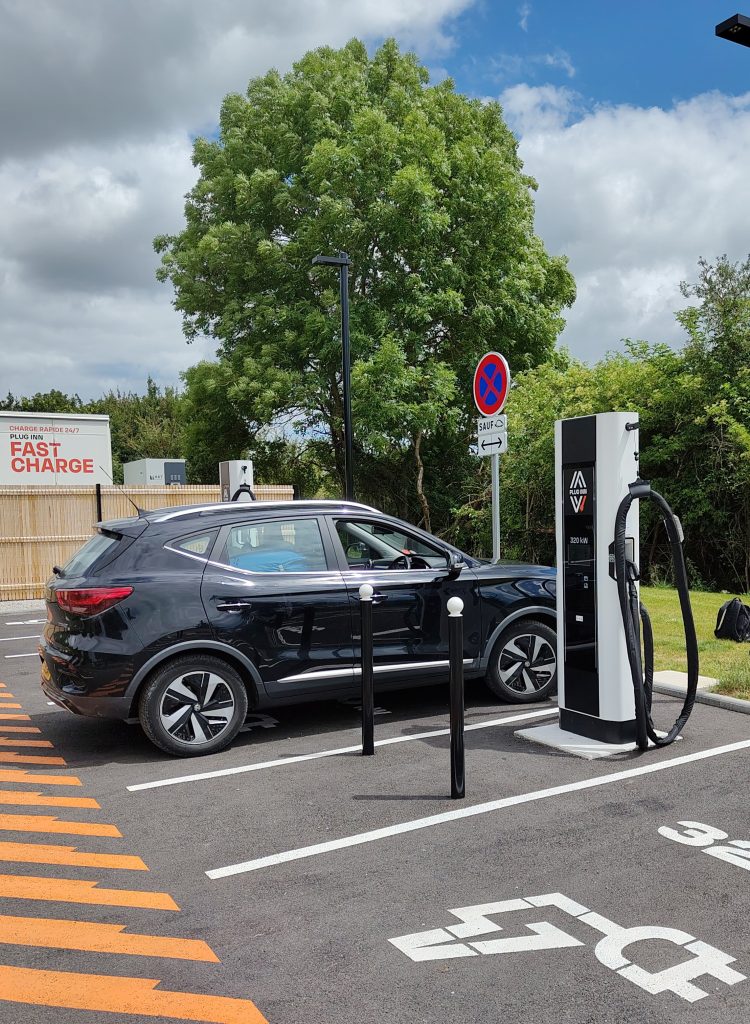
Earlier this year I drove an MG ZS EV to the Pyrenees and then on to Peniscola, on the Costa del Azahar.
I didn’t run out of charge, the battery didn’t explode and my wife is still talking to me (mostly).
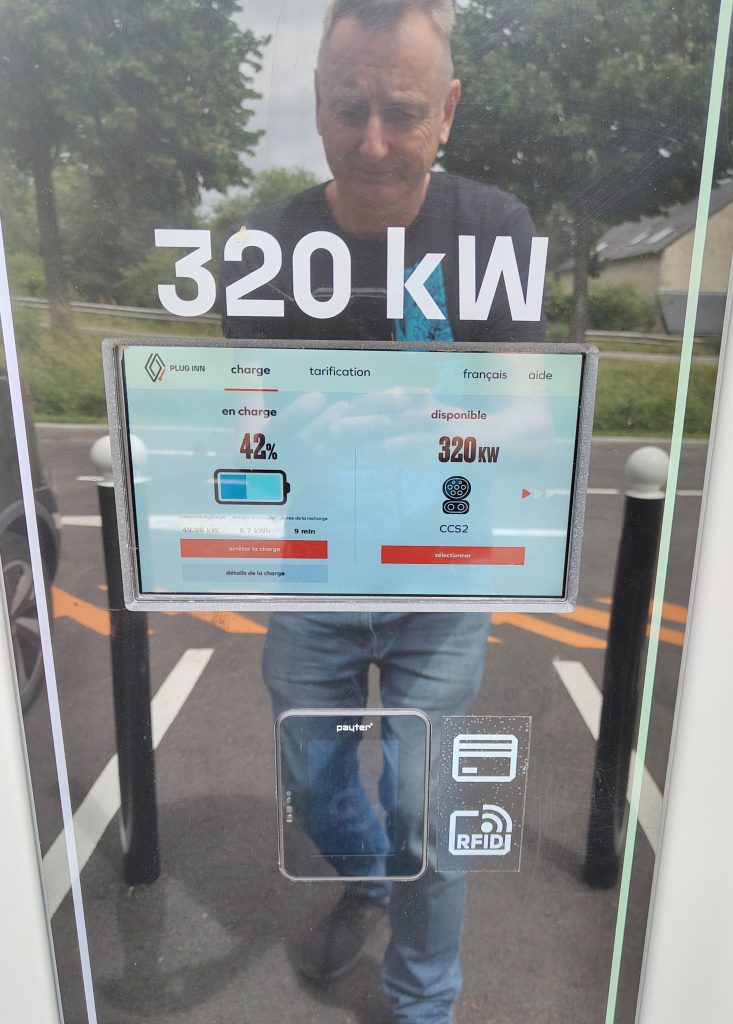
France has an excellent EV public charge network on main routes, though it can be a little patchier in rural areas. The cost of charging is around 30% cheaper than the UK, from €0.35 (slower Type 2 chargers) to €0.60/kWh (fast chargers). This is apparently mainly due to the French state owning the largest generator (EDF) and tight regulation of tariffs.
But watch out for idle/overstay fees, especially on slower public chargers, which often kick in after 2 hours of charging at €3 – 5 per hour. Some providers waive them overnight, but not all – I got stung €55 for an overnight charge in a supermarket car park in Poitiers….
Like anywhere, chargers are sometimes out of order, but there was usually another one around the corner that would be working. This was only an issue for us once, a few hours away from Caen where our ferry was due to leave that afternoon. The same, unusual fault appeared on two different chargers, but my escalating anxiety was rescued by a third charger that worked fine.
Spain was a bit trickier – fewer chargers and higher (UK equivalent) prices. We also found one public charge network (Repsol) that appeared to require a Spanish ID card to sign up, which seemed unhelpful. But we always found somewhere to charge.
We used two charging platforms to locate and access chargers – Electroverse (run by Octopus) and Chargemap. Both had phone apps that linked to maps, and chargers could be accessed using the app or a pre-ordered RFID card (which seemed more reliable).
Things that I learnt:
- Carrying a lot of heavy camping stuff brings down battery range, especially with a lot of uphill driving. On the other hand, regenerative braking was great at charging the battery when we drove down the other side of the Pyrenees…
- The cheapest chargers are often tucked away on industrial estates or in random car parks – which may be short on facilities like public toilets
- Buy a Crit’Air emissions sticker online before you leave the UK, to drive and park in low emission zones (ZFE’s) in major French cities
- With a range of 180 miles/290km, we generally spent 1 hour charging for every 3 hours driving
And how was our carbon impact? We’ve spent the last few years taking the train to Europe, but this year wanted to go to some more remote places as well as bring camping gear.
The highest carbon part of the journey was the ferry from Portsmouth to Caen – a total of about 33kg of CO2 each way. The Le Shuttle car train through the Channel Tunnel would have been much lower carbon, at around 2kg, but it would have been quite a lot of extra driving at both ends. And we wouldn’t have won the Brittany Ferries bar quiz….
Apart from getting across the Channel, the emissions of driving an EV are not so different from an electric train, depending on the number of passengers in the car. It’s difficult to find very reliable figures, but standard electric intercity trains in France produce about 20g of carbon per passenger per mile, while an EV is about 50g per mile (so 25g each for driver and one passenger). Whereas a petrol or diesel car is around 300g of carbon per mile. But high efficiency fast TGV trains can be as low as 5g per mile.