
Madonna had only four minutes to save the world. We may, or may not, have a little longer, depending upon how flexible our definition of “saving the world” is. Unfortunately, unlike Ms Ciccone, we don’t have Justin Timberlake to help us, which means that things just got a whole lot harder.
Late last year, the International Panel on Climate Change (IPCC) declared the “safe” upper limit of temperature rise above pre-industrial levels as 1.5degC. Up until that point it was generally agreed that the world should not exceed 2degC, so this was a significant change in thinking amongst climate scientists. Clearly, setting a lower threshold is preferable with regard to minimising the impacts of climate change on our planet, however the move to 1.5degC presents a whole new level of challenge.
Concentrations of greenhouse gases in the atmosphere are increasing steadily, with carbon dioxide concentration now exceeding 410 parts per million. A large proportion of carbon dioxide in the atmosphere is absorbed by the oceans, and a smaller percentage by other means, but this process takes many decades. On a shorter timescale, carbon dioxide is absorbed and released on a cyclical basis by plant life, and this can be seen in the sawtooth pattern of carbon emission rises over the years.
It is carbon dioxide’s persistence within our atmosphere that is a large part of the problem – we can stop emitting carbon dioxide tomorrow but the CO2 already within the atmosphere will continue to trap heat, with temperatures carrying on their slow but steady rise for years to come, potentially triggering feedback effects such as the release of the much more potent greenhouse gas methane from melting sub-arctic permafrost. For this reason, many climate scientists believe that we will now almost certainly overshoot the 1.5degC threshold. Although the 2degC target is possibly still achievable, even this is now a very challenging target given that there is little sign of the rate of greenhouse gas emissions reducing at this time.
Without going into the technical detail, in order not to exceed the 2degC threshold we need to reduce our carbon emissions to zero by 2050. Setting a zero-emissions target this far in the future is dangerous in that it makes the need for action seem less urgent – there is a huge difference in climate impact between starting with reducing GHG emissions immediately, and leaving it until 2040 before we implement dramatic action to hit zero-carbon by 2050. Even if we do start immediately, we are looking at annual CO2 reductions of something like 15% for developed countries like the UK in order to give developing countries some leeway… and yet in real terms we have only achieved a total reduction of 10% in around thirty years.
But never fear – the climate modellers have the miracle answer, and it’s called negative emissions technologies, or NETs. NETs are solutions that suck CO2 out of the atmosphere, and sequester the carbon in some shape or form. NETs are a deeply controversial get-out-of-jail-free card that is being played by IPCC and other organisations in order to make the sums add up – in effect they are being relied upon to allow us not to have to tackle the thorny issue of rapid emissions reductions as urgently as we should.
The NET that is being presented as the major solution to climate change is biomass energy with carbon capture and storage or BECCS. A simple explanation of the process of BECCS is the planting, growing and harvesting plant matter (for example trees or energy crops like miscanthus or short-rotation coppice), burning them for energy generation and capturing the CO2, which is then buried underground rather than released into the atmosphere.
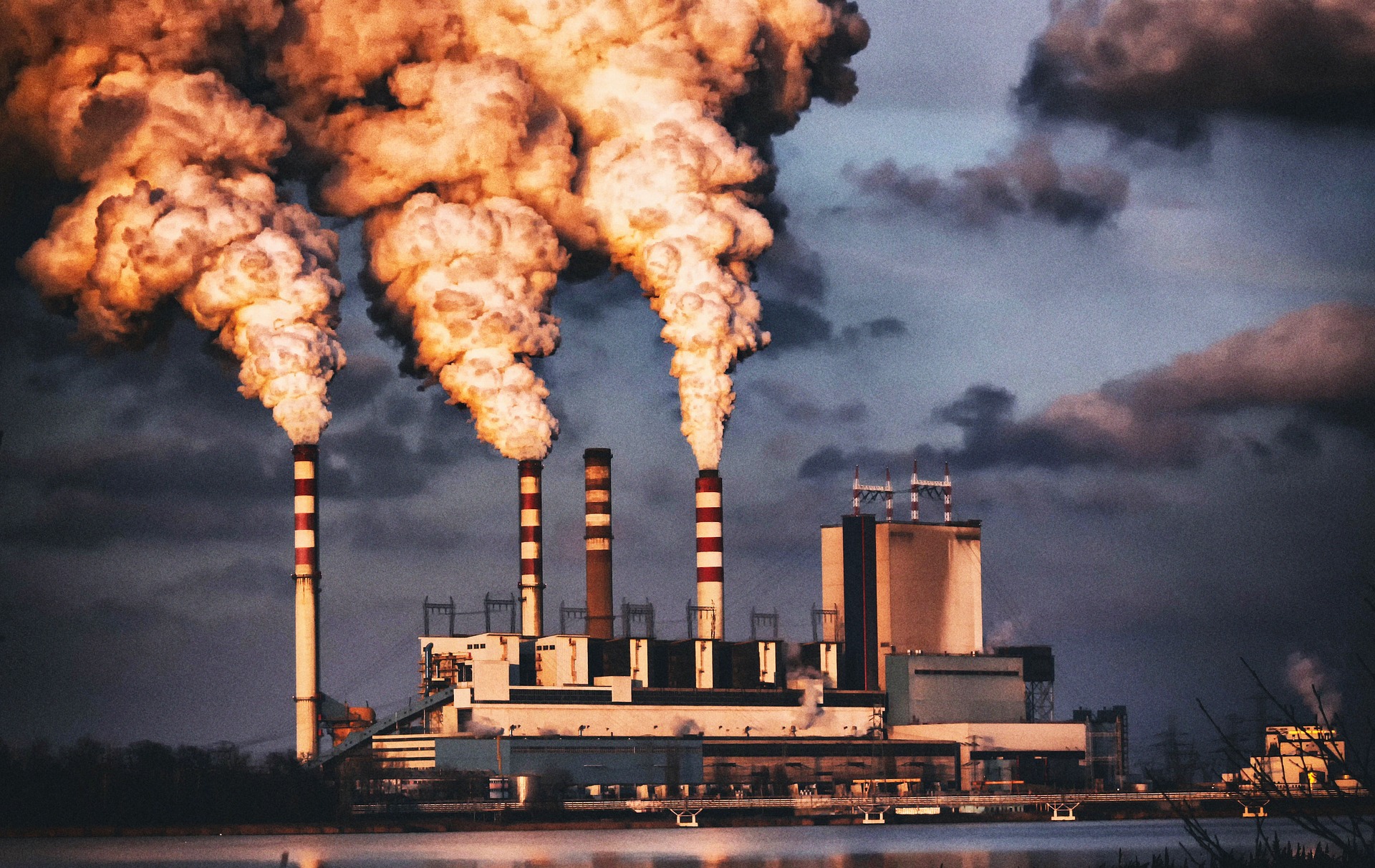
At first glance BECCS might seem promising, but it doesn’t take long to realise that the concept is deeply flawed. The required land area for energy crops is vast, estimated at up to 500 times the size of Wales (Wales being an SI unit of measurement like double-decker buses, Olympic swimming pools and Nelson’s Column) – this at a time when there is increasing demand for food production from a growing global population. Add to this the growing pressure for producing sustainable biofuels for transport and it is not hard to see the risk of conflicts arising over land use.
The carbon capture aspect also presents a problem – the process has not been proven at scale, and where it has been trialled it has proven quite energy-intensive with CO2 emissions of 50-100g per kWh of electricity generated. Compare this to a rapidly-falling current national grid average of around 200g/kWh and one can see the limitations of BECCS. And once CO2 is sequestered, how stable and safe is it underground?
Of course, other carbon capture technologies are being developed all the time. One company that had some media exposure recently is Carbon Engineering – a Canadian business that is developing a process to capture carbon dioxide from the air. Air is drawn in through a large fan unit, with CO2 capture in a hydroxide solution. The CO2 can then either be concentrated and sequestered underground, or turned into a carbon-neutral fuel such as methanol that can be used in vehicles.
Ironically, Carbon Engineering is receiving investment from fossil fuel companies as pumping CO2 underground helps them to extract more crude from oilfields. Of course, this itself is the cause of much consternation from climate change campaigners, but there is also a more general concern that such technologies will be seen as a magic bullet, encouraging society to continue to consume fossil fuels in the belief that a technological solution will save the day.
I admit to getting rather frustrated with all these fancy new technologies when the much more effective (and obvious?) solution of reducing demand and improving energy efficiency is widely ignored, even though it is much more cost-effective approach to cutting our carbon emissions. But then when was energy conservation ever sexy?
– Andy Smale – WinACC Energy Consultant and Technical Director, Expert Energy