
Why the Leigh family chose solar to support their farm’s future
The Leighs share how using a small part of their family farm for a solar farm is keeping farming alive for the fourth generation of their family.
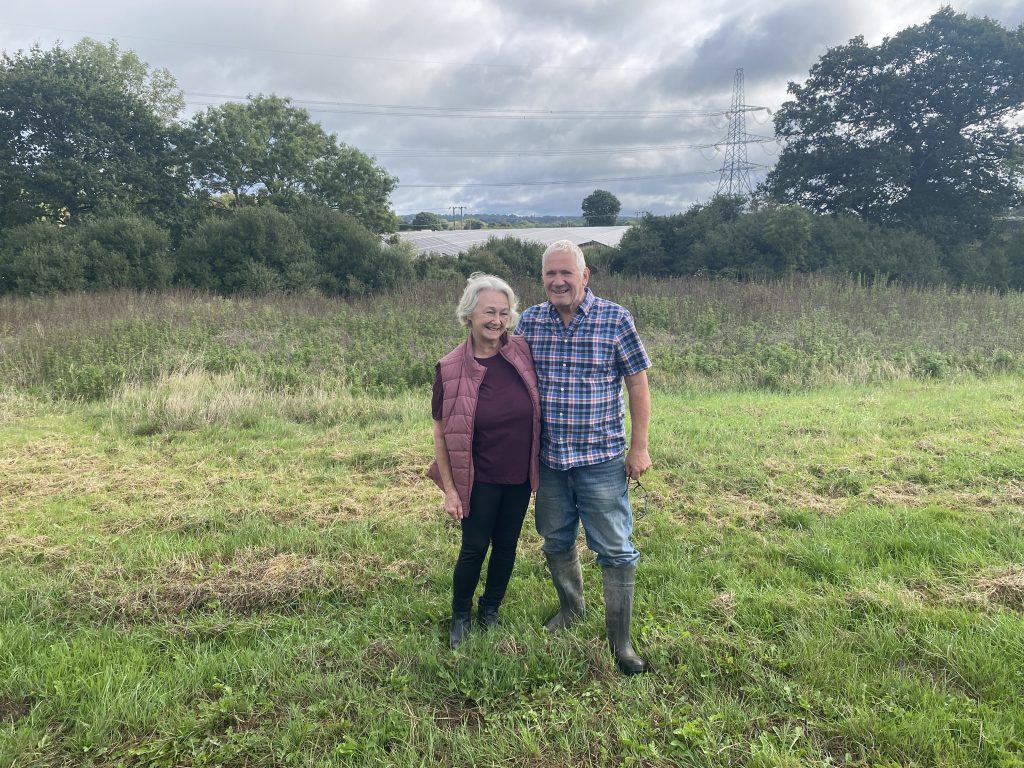
After three generations of dairy farming the Leigh family began looking at how to keep the farm viable for the future as a combination of factors made dairy farming increasingly less viable.
Leasing a small, difficult to farm part of the land for solar offered another way to support the business. This meant making use of land prone to waterlogging in the winter, enhancing the farm’s biodiversity, and keeping the farm within the family for future generations.
This decision, for the family, reflects the changing economics and environmental pressure facing agriculture. They recognise that farming cannot necessarily continue in the same way it has over the past 30 years especially with farms with low grade land that cannot grow crops.
‘The day the cows went, it was probably the worst day of our lives’ – Jan
Bovine Tb alongside the difficulty of finding reliable labour, volatility of milk prices particularly during the pandemic, and the practical challenges of milking a relatively small herd ~100 cows had forced their hands.
‘You spend a lot of time on your own in farming, and you really notice your environment and how it changes’ – Richard
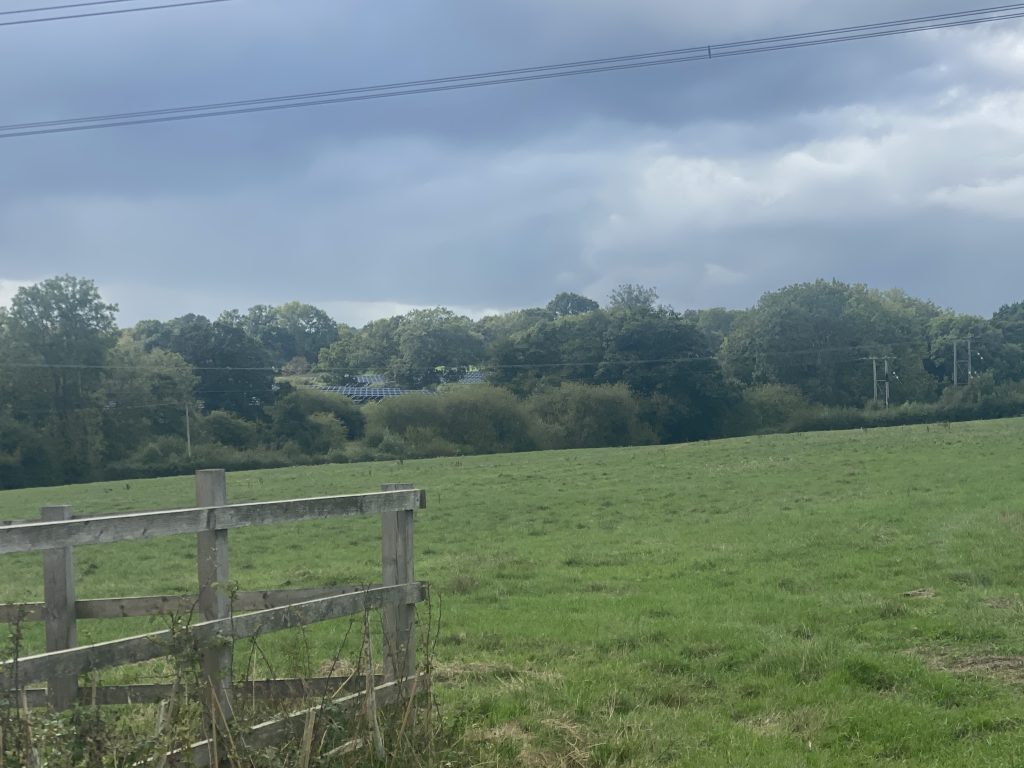
Farming runs deep in this family. Richard’s grandfather and father were farmers, and he has worked the land all his life.
Over the years, solar developers had written to them asking about leasing land for panels. Then another letter landed on the doormat, and this one was different. It was handwritten, and it showed how much research the developer had put into the area. The family felt this was the one for them. They hired an agent to act on their behalf, which they say saved the project many times over and helped hold the developer to its promises.
The land itself made the decision easier.
‘This is a piece of land you can’t farm. In a real winter you’ll be up to your ankles and more in water. It then takes several months to drain to the river.’ – Richard
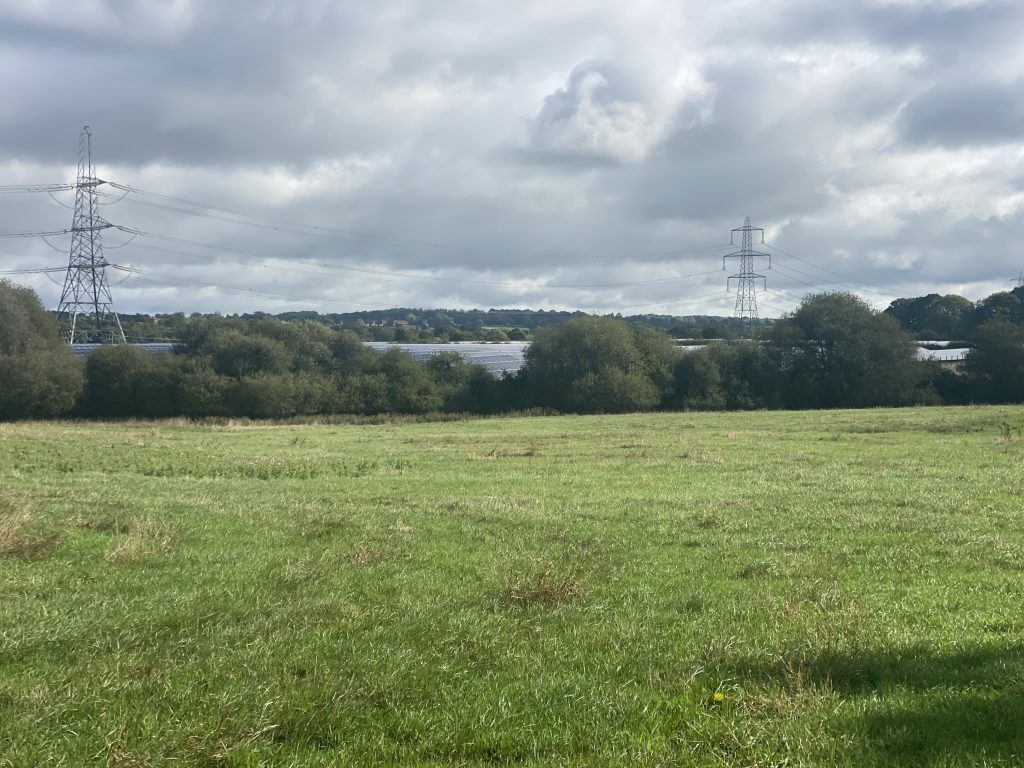
Richard describes spending years frustrated by the electricity pylons that cross the families fields, because they had to farm around them. They are clear now that they were the key to saving the farm, though they still have fond memories of the cows lining up underneath them.
Environmental considerations also formed part of the decision. The family are keen to make sure the farm’s wildlife will be looked after and love the nature they share the land with. It’s one reason they kept farming through such a solitary way of life. Kingfishers, dippers, brown trout, grayling, eels and blue mayflies all live on the farm. They wanted any development to protect those species and leave the land better than it was, and the plans include new hedgerows, and wildflowers to support nature.
‘There’s going to be a new hedgerow and wildflower meadow. Right next to the public footpath which will help sustain nature.’ – Jan
Not everyone welcomed the solar farm planning application. A previous application had been opposed by a neighbour, so before applying again, Jan and Richard approached their neighbours themselves and explained that without something to change, they would lose the farm. The neighbour objected anyway and rallied the other immediate neighbours to do the same, and one local parish council objected too.
Then came the messages of support, both from a neighbouring parish council, and the local environmental charity, Winchester Action on the Climate Crisis, and suddenly Jan and Richard felt there was a future in the farm.
‘Bishops Waltham parish council were on side which was wonderful’ – Jan
Jan and Richard wrote a heartfelt letter to both parish councils when planning permission was being sought. They opted to write rather than speak so they could explain, uninterrupted, why they had taken this route:
“Perhaps more than any other business, farming has been subjected to the very real effects of climate change,” they wrote. “We therefore decided that in order to keep the land as healthy farmland for future generations, and to continue to farm as a viable business, allowing solar on part of the farm would enable us to carry this out.” They described solar as a temporary solution to a very real climate emergency, and the land as something that “will remain as a farm for our grandchildren and great grandchildren to continue to farm. It is not being built on, or lost permanently, but preserved for the future.”
If they could do one thing differently, it would be the community engagement. Some people only heard about the proposals when they appeared on the planning portal, and by then the opposition had already formed. The family wish the developers had spoken to the community much earlier. Even so, planning permission was granted, and the relief was enormous. The farm would stay in the family.
‘Looking back, if the developers had held a consultation before the planning letters went out it would have been helpful, so it wasn’t a surprise for anyone’ – Richard
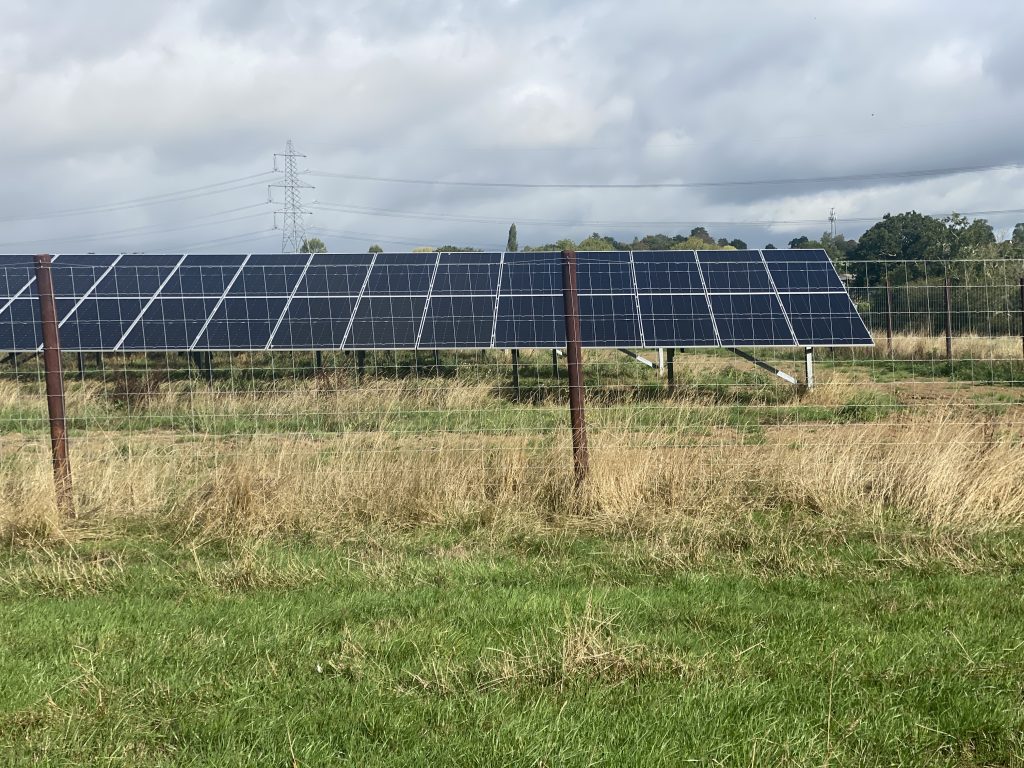
There was one more hurdle before the panels could go in. Neighbours had managed to convince archaeologists that there might be a Roman villa on the site. After many months of digging, 139 trenches, each 30 metres long and two feet deep, turned up nothing at all, and no sign that anything had ever stood there. It was no surprise to Jan and Richard; “We’re on the boggy, wet side of the valley,” “It would make sense to build on the opposite, dry side!”
Building the solar farm has been far easier than they feared. “It’s been smooth sailing, and less intrusive and noisy than we imagined,” they say. The site needed a new access route, and a compound to build up the base for the new substations, but there was no great procession of lorries, just about two a day. The only real noise came when the stakes for the panels were hammered in, and that didn’t last long.
‘There were maybe 2 tipper lorries per day, no congestion or backing up. In and out. Far quieter than we expected.’ Richard
They are also keen to put a few myths to bed. Despite what many people assume, you don’t make millions from leasing the land. “We have enough to keep the farm, and that’s enough for us,” Jan says. People also tend to think farmers like them can claim environmental grants, but they are eligible for a few and this is a very much a shifting source of funding that it not at all certain.
‘Farming is changing, there is no way we can continue farming in the way that we have done for the past 30 years’ Jan
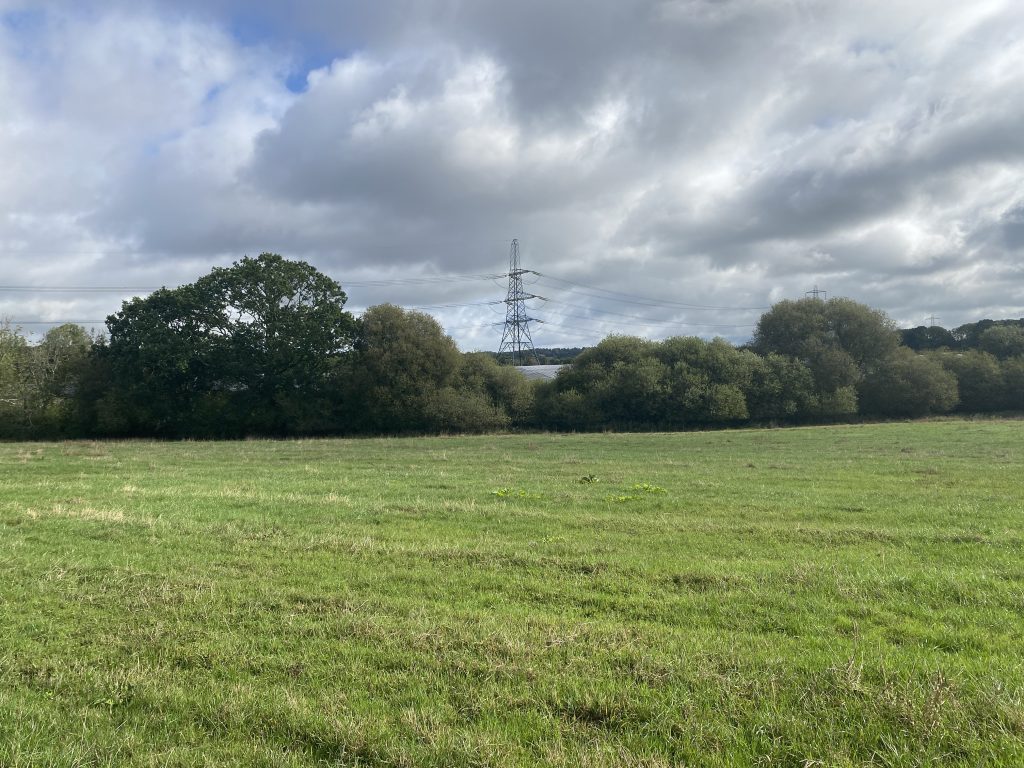
Now the family are looking forward to the planting of the new hedges and wildlife corridors. A number of sheep farmers have already asked whether they could graze their flocks among the panels, which would give the sheep access to land and soil that grows more fertile as it regenerates. For a family that watched its dairy herd leave in a lorry, the farm now has a future again, and Jan and Richard hope their grandchildren will be farming it for years to come.
‘We are preserving the land for the future’ – the Leigh family