Choosing the right electricity tariff for you can make a big difference to the running cost of your heat pump
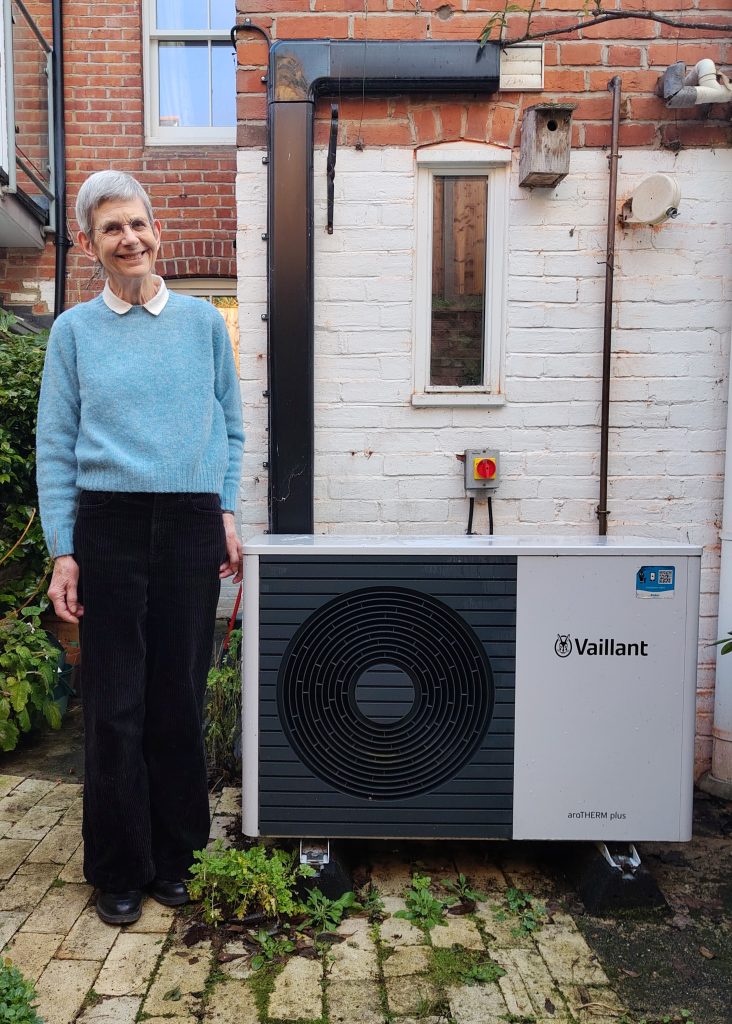
I have spent the last few days getting quotes from a range of energy suppliers so I can compare their electricity tariffs. I am doing this because my current supplier OVO has decided to stop its Heat Pump Plus tariff add-on from 1st February 2026.
Heat Pump Plus became available in October 2024. To be eligible for it, I had to have a smart device installed to link my heat pump to the internet. Under the Heat Pump Plus add-on, I have been charged the normal rate for the total amount of electricity I use (my standard tariff is currently 24.2 p/kWh), and OVO then uses the data they receive on my heat pump’s energy consumption to calculate a monthly rebate that reduces the cost of the electricity used by the heat pump to 15 p/kWh.
OVO’s decision to withdraw Heat Pump Plus is disappointing as it has been unique in providing a reduced cost, fixed-rate add-on tariff specifically for heat pumps. OVO wrote to Heat Pump Plus customers saying that the end of Heat Pump Plus from 1st February ‘…means that you’ll pay your standard home electricity rate for all energy used to power your heat pump from this date. We understand that this change will impact your energy bills.’ It will indeed! Hence my preoccupation with alternative energy suppliers and tariffs.
With increasing adoption of heat pumps and electric vehicles in the UK, several electricity suppliers have introduced time-of-use electricity tariffs. These tariffs require customers to have a smart meter. Most of these tariffs have lower unit rates during off-peak hours and higher unit rates during peak hours (particularly 4 pm to 7 pm) to encourage customers to use energy when demand on the grid is low.
There are now several such time-of-use tariffs marketed as cost-saving for heat pump owners. For example:
- Octopus Cosy tariff offers cheaper rates for three periods a day (4 am to 7 am, 1 pm to 4 pm and 10 pm to midnight) when electricity costs 51% less than the usual daytime rate; between 4 pm and 7 pm electricity under this tariff costs 50% above the usual daytime rate.
- Eon Next Pumped offers two off-peak periods (6 am to 4 pm and 7 pm to 10 pm) when rates are cheaper than their standard rate, a super-off- peak period from 10 pm to 6 am when rates are markedly cheaper than their standard rate, while during the peak period between 4 pm and 7 pm electricity costs well above their standard rate.
- EDF Heat Pump Tracker differs from these two tariffs in that it provides 6 hours of cheaper electricity (4 am to 7 am and 1 pm to 4 pm) at 10p/kWh less than their standard tariff rate but has no expensive peak rate. None of these three tariffs involve exit fees or tie-ins so it is easy to switch to another supplier or tariff at any time if they turn out to be unsuitable.
For those heat pump owners who charge an electric vehicle at home, Octopus Intelligent Go, Eon Next Drive or EDF Go Electric provide super-cheap overnight electricity rates. Some heat pump owners use innovative dynamic time-of-use electricity tariffs which have different prices per unit of energy according to the time of day based on market supply and demand. These can offer some of the cheapest electricity, and even free electricity when there’s an excess of green energy in the grid, though prices on these tariffs can spike up to 100p/kWh at any time so they are best suited to people who can shift large amounts of energy use away from expensive periods, for example by using batteries, and perhaps to those who are more relaxed about risk. Examples of these tariffs are Octopus Agile and EDF Freephase Dynamic.
According to a 2024 study on Domestic Heat Pump Flexibility Modelling by NESTA (the UK’s innovation agency for social good) and Cornwall Insight (an independent energy research firm), heat pump owners could save a significant amount of money by switching to a time-of-use tariff and allowing their heat pump to operate flexibly in response to changes in electricity prices throughout the day. A heat pump that is operated flexibly, as described in this report, pre-heats the house when electricity prices are low to maintain a comfortable temperature and avoids consuming electricity when prices are high. Results from this study suggest that heat pump owners could make even greater savings if they were on a time-of-use tariff and had solar photovoltaics and a battery.
While investigating alternative tariffs and suppliers, I obtained quotes for 1-year fixed flat-rate electricity tariffs from around 12 suppliers and put the results into a spreadsheet, along with my current tariff from OVO, so I could work out the total estimated annual cost for each quote, based on the price per kWh, the standing charge per day, and my actual total electricity usage for 2025. I cook and heat my house entirely with electricity, so although I am a single-person household, I used 2,891 kWh last year, about average for a UK household, according to the UK energy regulator Ofgem. Based on the quotes I obtained, tariffs from Outfox Energy or Fuse would be the cheapest options for me, resulting in estimated annual costs for electricity of £820 or £829 respectively, while a tariff from 100Green was the most expensive, resulting in an estimated annual cost of £1,063. The average estimated annual cost was £916.
In some respects, it is tempting to stay on a flat-rate tariff. On such a tariff, I can cook my supper at my usual early evening time and use my washing machine and dishwasher whenever I want to without the risk of having to pay the extra high costs that most time-of-use tariffs impose for using electricity during the peak period between 4 pm and 7 pm. Furthermore, being on a flat-rate tariff means that there are no financial constraints on operating a heat pump in the most efficient way: in other words, ensuring it uses lower flow temperatures over longer periods, what is known as ‘low and slow.’ I think one of the best things about having a heat pump to heat my house is the constant gentle background warmth it provides and the fact that room temperatures tend to remain very stable. For heat pump owners on a time-of-use tariff, to keep costs down in colder months of the year when heat pumps tend to use a lot more energy, it makes sense to take advantage of the hours when electricity is cheaper by getting the heat pump to pre-heat the house with higher flow temperatures to ‘bank’ heat ahead of expensive periods when ideally the heat pump would not be running. Such a strategy successfully shifts energy use into periods when electricity Is cheaper, but it can sometimes result in periods of less thermal comfort for the occupants when room temperatures are less stable than they are when the heat pump is running ‘low and slow.’
Heat pump owners who have a battery are potentially at a big advantage when it comes to using a time-of-use tariff in an optimal way. By storing electricity either from solar PV or from the grid when rates are cheap, provided the battery is large enough they can run their heat pump ‘low and slow’ throughout the day, without the need to pre-heat or avoid heat pump usage during the expensive periods. Having a battery also gives the means to use cheap stored energy to operate cookers, hobs, and other domestic appliances rather than energy from the grid during peak periods of the day when the cost is high. As a regular reader of posts on the Vaillant AroTHERM heat pump Facebook group, from which I’ve learnt a great deal, I think Octopus Cosy may be the most popular time-of-use electricity tariff with heat pump owners, but many of these owners say that having a battery is essential to avoid paying high prices for electricity in the peak 4 pm to 7 pm period.
According to the Energy Saving Trust widespread adoption of these smart time-of-use tariffs could help the UK reach net zero. So, I have decided to switch suppliers and move to a time-of-use tariff. If I had a solar and battery system, I could have used an impressive online tool, a Solar Tariff Optimiser (recommended by several heat pump owners) called Tim and Kat’s Green Walk which helps people choose which time-of-use tariff to use to get the best out of their system. Instead, I made my choice based on the popularity of the tariff with other heat pump owners, and the supplier Octopus’ reputation for consistently excellent customer service and innovative and well-regarded smart tariffs. I have decided to opt for the Octopus Cosy tariff. But mindful of advice from other heat pump owners using this tariff, I am also investing in a battery so I can use Cosy’s three daily low-cost periods to store energy thereby reducing my overall energy costs and my house’s carbon footprint.
Catharine Gale, WinACC volunteer Energy Champion for the My Home Made Better project

Advice from WinACC
We provide free support to help you work out how to make your home more energy efficient and low carbon.
WinACC is one of the charity partners delivering My Home Made Better, which provides free, impartial advice on how you can make your home more energy efficient.
To arrange a 30 minute advice call with our trained My Home Made Better Retrofit Adviser, enter your details in our enquiry form. This is just an advice call, no selling involved!
For more information on what you can do to your home, visit our smarter, future proof homes page.