
A lot has happened since plans were first announced to widen the M3 near Junction 9 at Winchester. The Government, Hampshire County Council, Winchester City Council and Eastleigh Borough Council have all declared a climate emergency. The Intergovernmental Panel on Climate Change has told us repeatedly that unless we reduce our emissions drastically by 2030, a cycle of unstoppable global heating will destroy not only our way of life but also most of the natural environment.
Road traffic already causes over half of Winchester’s harmful greenhouse gas emissions that lead to worsening of the climate crisis.
WinACC is arguing against the National Highways plans to widen the M3 around Winchester. Following the debate at the second and third special hearings of the M3 Junction 9 Planning Enquiry into these plans, it has become even clearer that the application from National Highways poses major problems.
National Highways have provided little information on the greenhouse gas pollution and emissions that will be caused by the scheme. The information they have provided is damning. The scheme jeopardises the government’s Net Zero Growth Plan. Greenhouse gas pollution from traffic using the proposed scheme between 2027 and 2042 must reduce six times more quickly than the National Highways forecast.
The project team give no evidence they have taken any notice of relevant National Highways policies, and have presented only proposals to build more roads. Yet National Highways have a policy of transferring freight to rail on the Midlands to Solent corridor, and the government say this will reduce freight emissions by 75%. National Highways also have a policy of encouraging low carbon local transport as a way of relieving congestion between Winchester and Southampton.
This is all the more regrettable because National Highways themselves don’t predict the scheme to cut either journey times or traffic across Winchester town centre. By 2047, long after the work has finished, they estimate journeys across the town will take approximately 20 seconds less time they would take if the scheme does not go ahead at all. The Cost:Benefit ratio is at the bottom of the normal range; lower than most other schemes.
WinACC made broad points at the initial open hearing of the enquiry into the application by National Highways, see our initial written submission, and we contributed to the debate at two of the subsequent special hearings on particular topics, see our second submission.
It makes no sense to spend £150 million on this scheme.
We must not forget we are in a climate emergency.
Renewable energy, when it is fully available, must be used wisely. It is likely that road traffic will go electric in the future; however the renewable electricity will be needed for more than just private cars. We would suggest it is better used on good public transport.
Better ways of reducing congestion
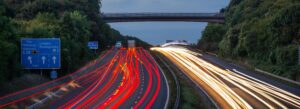
We have spent time looking at better ways of tackling congestion at Junction 9 that will also reduce the production of harmful emissions, they include:
- Developing a network of fast Winchester District bus routes to encourage people to keep their cars off the M3
- Creating a good bus/train interchange at Winchester railway station
- Developing a network of bus feeder services to Southampton suburban stations for connections to Winchester and Basingstoke
- Building a railway station at North Whiteley
- Increasing the capacity of the railway line through Winchester, so it can play a greater part in catering for those commuting into Winchester, especially from the Solent area
- Improving frequency and connections on the whole of the south Hampshire rail network
- Electrifying the railway line from Didcot to Birmingham and Nuneaton to encourage the transfer of lorry traffic to low carbon low energy goods train services from Southampton Docks to national distribution points in the Midlands
- Developing a rail-connected goods distribution hub in the north Solent area (Eastleigh or Micheldever?) to divert traffic to proposed rail-based distribution networks
- Building a district-wide safe cycle network.