
The UK Government is clear that the future of home heating lies in heat pumps. The recently launched Warm Homes Plan includes a target of over 450,000 annual heat pump installations by 2030.
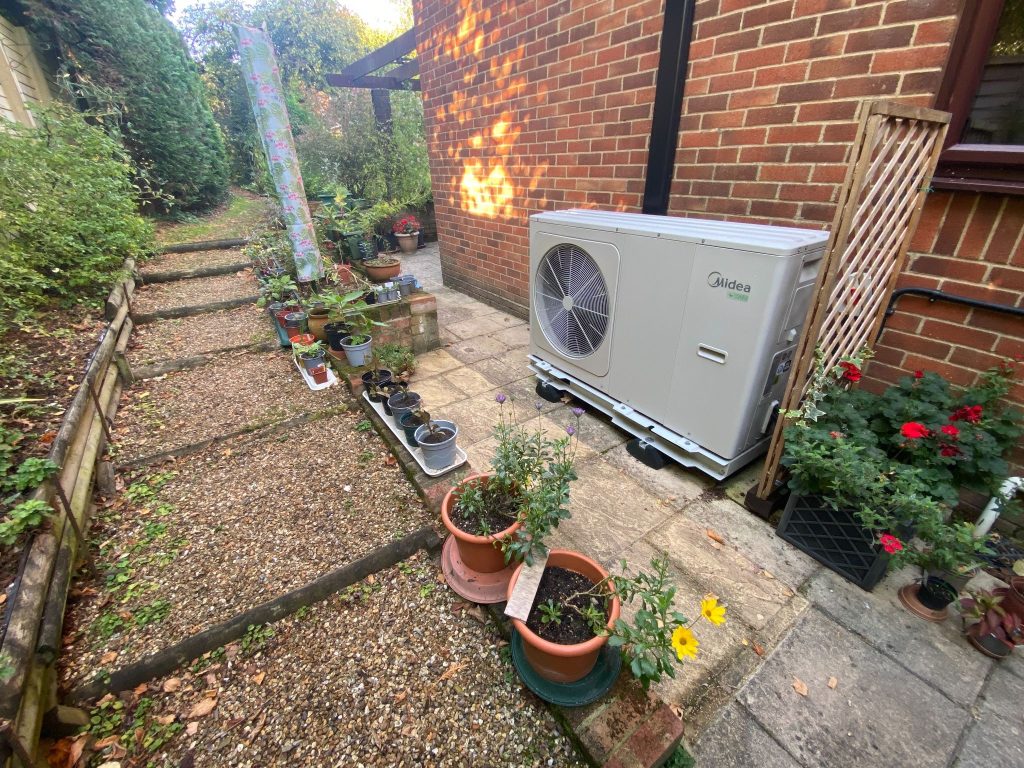
Heat pumps are extremely efficient, because they extract low-level heat from the air (or ground, or water) and amplify it using electricity. So they use around a quarter of the energy used by a gas or oil boiler to produce the same amount of heat.
With a standard electricity tariff, a heat pump costs about the same or a little less to run than a gas or oil fired boiler.
Heat pumps generally use about a quarter of the energy of a gas or oil boiler, the standard price of electricity is currently about four times the price of gas, for each kilowatt hour of energy. So the energy savings are just about cancelled out by the additional cost of electricity.
The good news is that many electricity suppliers now offer time-of-use tariffs, which means they charge varying rates for electricity based on the time of day it is used. For example the electricity is cheaper during off-peak hours (often overnight) and higher rates during peak times. A WinACC volunteer recently wrote this blog analysing several different such tariffs.
Research carried out by the Centre for Net Zero shows that heat pumps reduce households’ total energy use by 40%, and carbon emissions (those harmful emissions that cause climate change) by 36%, you can read about it here – Decarbonising Heat: The Impact of Heat Pumps and a Time-of-Use Heat Pump Tariff on Energy Demand. The research also found that time-of-use electricity tariffs reduced energy bills by 18%, compared to standard tariffs.
Time-of-use tariffs were also found to be very effective at moving electricity demand away from peak periods (usually 4-7pm). This is called load shifting, which reduces the demand on the grid for electricity at times of peak usage. It’s a very important part of moving away from using harmful fossil fuels to generate electricity. , Having the demand on the grid spread throughout the dayit makes it easier for renewable energy (wind and solar) to meet demand, without needing to be boosted by switching on fossil fuel powered power stations.
One final note, although heat pumps use less energy than fossil fuel boilers, they will increase the demand for electricity. So, as the research shows, time-of-use tariffs are a great way of both reducing energy bills and supporting clean renewable energy generation.
To find out more about upgrading homes visit the smarter future proof homes section of our website.
Click here to read case studies of homeowners who have installed heat pumps.